Construction Methods · 12 min read
ICF Construction in Florida: Real Cost, Real Benefits, and Why Tampa Builders Are Using It More
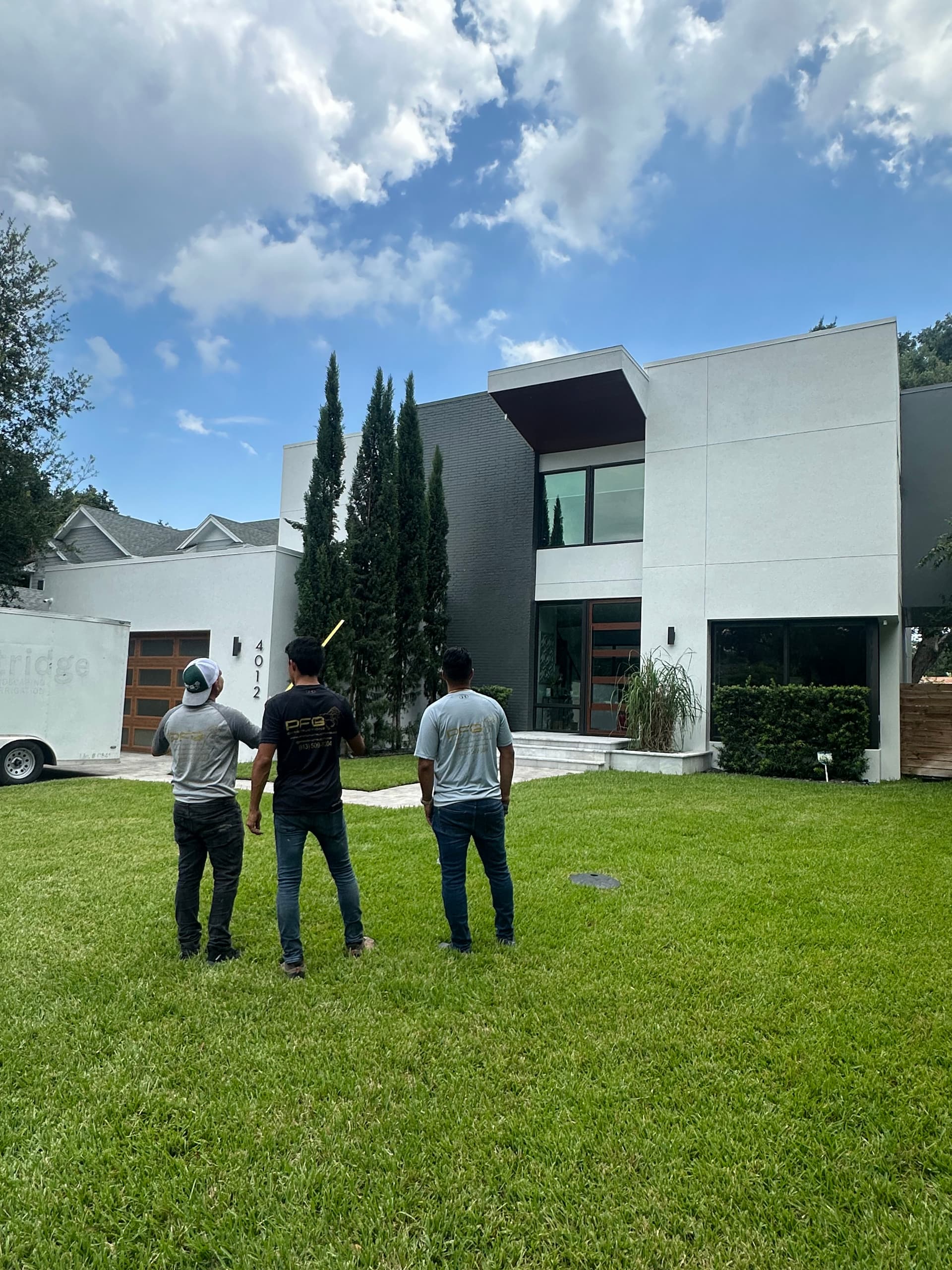
ICF — Insulated Concrete Form — is one of the strongest construction methods available for Florida homes, and it's been growing fast in Tampa Bay since Hurricane Ian put the cost of inadequate construction in front of every Florida homeowner. But "strongest" doesn't always mean "right for your project," and the upfront cost premium catches buyers off guard.
This guide explains what ICF actually is, what it costs, what it saves, and where the trade-offs land for a Florida custom home. If you're pricing a full custom build, see our custom home build cost guide for the full Tampa Bay picture.
What ICF construction actually is
ICF is built from interlocking foam blocks (typically EPS — expanded polystyrene) that stack like Lego, get reinforced with rebar, and then filled with concrete. The foam stays in place permanently, providing continuous insulation on both sides of the concrete core. The result is a wall that's structurally a reinforced concrete monolith, with R-22 to R-50 insulation built in, and no thermal bridging.
Conventional Florida block (CMU) is hollow concrete masonry units, mortared together, sometimes filled and reinforced. It's the standard Florida construction method and meets code, but R-values are typically R-3 to R-8 unless the home is built with an additional insulation system on top.
Cost of ICF construction in Florida (2026)
ICF adds 5–10% to the total construction budget for a Florida home in 2026 — typically more impact at smaller scales (the foundation and labor learning curve are fixed costs).
| Home size | CMU build cost (2026) | ICF build cost (2026) | ICF premium |
|---|---|---|---|
| 1,800 sq ft | $540,000 – $720,000 | $580,000 – $790,000 | +7–10% |
| 2,500 sq ft | $700,000 – $1,000,000 | $745,000 – $1,080,000 | +6–8% |
| 3,500 sq ft | $950,000 – $1,500,000 | $1,005,000 – $1,605,000 | +6–7% |
| 5,000+ sq ft (luxury) | $1.6M – $3M | $1.7M – $3.18M | +6% |
The long-term math: a 25-year example
Consider a 2,500 sq ft Florida home, ICF vs. CMU, owned for 25 years:
- Upfront premium for ICF: ~$50,000.
- Energy savings: ~$1,000/year × 25 years = $25,000 (likely higher with rising electricity costs).
- Insurance savings: ~$1,500/year × 25 years = $37,500.
- Maintenance savings (no rotted framing, fewer leaks, fewer repairs): conservatively $10,000+ over 25 years.
- Resale premium for hardened construction in Florida: 3–7% (~$30,000+ on a $750,000 home).
Where ICF doesn't make sense
- Short-term ownership (under 5 years). The energy and insurance savings haven't compounded enough to recover the upfront premium.
- Smaller homes where the fixed labor cost dominates (under 1,500 sq ft sometimes makes block more efficient).
- Homeowners on tight upfront budgets with no flexibility — block remains the cheapest path to a code-compliant Florida home.
- Heavily curved or architecturally complex shells. ICF favors straight walls; complex geometry can add labor cost that erases the savings.
ICF vs. block — side-by-side
| Factor | Block (CMU) | ICF |
|---|---|---|
| Upfront cost (2,500 sq ft) | $700K – $1M | $745K – $1.08M |
| R-value | R-3 to R-8 | R-22 to R-50 |
| Wind resistance | Code minimum (130–150 mph) | 250+ mph tested |
| Sound transmission class (STC) | ~50 | ~52–60 |
| Insurance impact (FL) | Standard | 15–30% discount typical |
| Energy bills (Tampa, 2,500 sq ft) | $200–$300/mo | $140–$200/mo |
| Pest resistance | Moderate | High |
| Mold/mildew resistance | Moderate | High |
| Fire rating | 1–2 hours | 4 hours |
| Build time | Faster | Slightly slower (1–3 weeks longer) |
| Inspector familiarity in FL | Universal | Growing |
| Resale premium | Standard | 3–7% premium |
Where ICF makes the most sense in Tampa Bay
- Coastal and waterfront homes (Snell Isle, Davis Islands, Apollo Beach, Treasure Island). Salt air, exposure, and storm risk are highest here.
- Custom homes intended for long-term ownership (10+ years).
- Homes in known wind-exposed lots (open lots without tree breaks).
- Buyers prioritizing energy efficiency or sustainability certifications (LEED, ENERGY STAR Tier 3, FGBC).
- Homeowners who've already lived through a Florida hurricane and want fundamentally better wall-system protection.
- Homes where the homeowner intends to age in place — ICF homes are quieter, more comfortable, and typically have better indoor air quality.
Practical considerations when building ICF in Florida
- Choose a builder who has actually built ICF before. Block-experienced framers without ICF training will slow the project and risk poor wall finish.
- Plan electrical and plumbing chases earlier than you would for a wood-frame or block build — ICF doesn't have wall cavities, so embeds need to be planned.
- Plan exterior finish earlier. ICF can take stucco, brick veneer, or fiber cement — but the attachment system is different from block.
- Get insurance quotes during design, not after construction. Some carriers price ICF premiums lower; choosing the right carrier saves more than choosing the cheapest builder.
- Verify your builder's Florida CGC license — new construction requires CGC, not just CBC.
Frequently Asked Questions
How much does ICF construction cost in Florida in 2026?
+
ICF construction in Florida typically adds 5–10% to the total build cost compared to concrete block (CMU). On a 2,500 sq ft Tampa Bay home, that's roughly $45,000–$80,000 more upfront — typically recovered through energy savings, insurance discounts, and resale premium over 10–25 years.
Is ICF worth it in Florida?
+
For long-term ownership (10+ years) and especially in coastal or hurricane-exposed areas, almost always yes. The 5–10% upfront premium typically pays back through 25–40% lower energy bills, 15–30% lower homeowners insurance, and 3–7% resale premium. For short-term ownership or extremely tight budgets, block can still be the right call.
Does ICF really hold up better in hurricanes?
+
ICF walls have been tested to withstand 250+ mph wind loads — well above Florida's 130–150 mph design requirements. Reinforced concrete with continuous insulation is structurally one of the strongest residential wall systems available.
How much does ICF save on energy bills in Tampa?
+
Typical 25–40% reduction in cooling costs vs. a comparable block home in Tampa Bay. On a 2,500 sq ft home with $200–$300/month average bills, that's roughly $500–$1,500/year saved — compounding over time as electricity costs rise.
Do insurance companies give discounts for ICF construction?
+
Most Florida homeowners insurance carriers offer 15–30% discounts for hardened construction, including ICF. Discounts vary by carrier; get multiple quotes during the design phase, not after construction is complete.
Can I remodel an ICF home like a normal home?
+
Yes, with planning. ICF walls are solid, so chasing new electrical or plumbing through them requires more work than wood-frame or block walls with cavities. Most ICF home additions and remodels are done by either matching the wall system or transitioning to a compatible one (block, with appropriate connections).
Does PFG Constructions build ICF homes in Florida?
+
Yes. We do ICF construction and custom home design-build across Tampa Bay. We're happy to walk through the cost-vs.-benefit math on your specific lot and budget. Free initial consultation.
Want a real number on your project?
We give itemized, no-pressure quotes for Tampa Bay kitchen, bath, and full-home remodels. Most clients hear back the same business day.